Podcast
THE MEASURE.
What makes our communities stronger? How do we accelerate change? Throughout the social sector and at Equal Measure, we’ve seen a sharper focus on racial equity―one that intersects deeply with place-based systems change. Join us for conversations with leaders and practitioners to inform and inspire our collective work toward a more resilient, equitable society.
Subscribe



Season 4
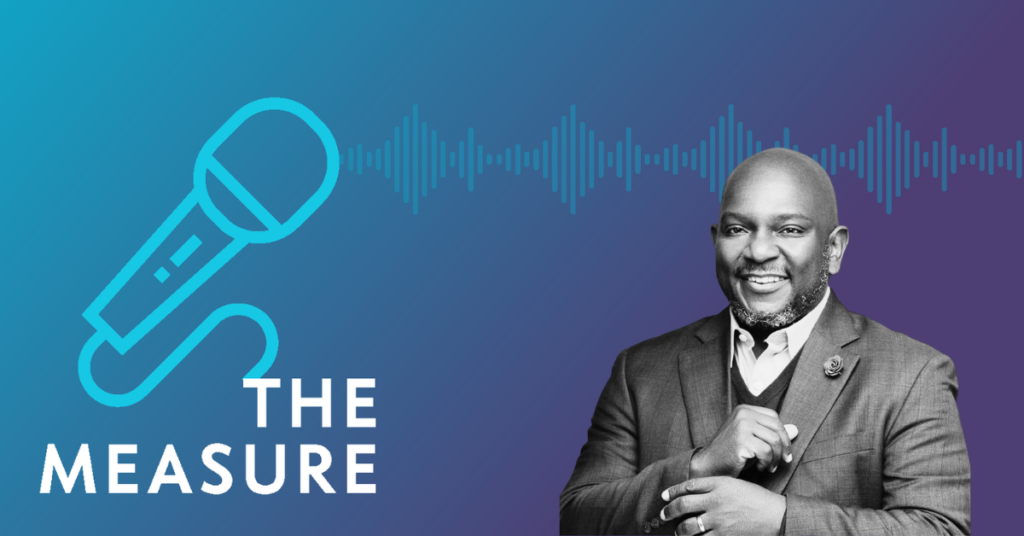
Season 4 | Episode 2
Lyneir Richardson, The Chicago TREND Corporation
“The ‘we’ is more expansive than the 460-plus people who’ve invested. It’s now their kids and their family members. They have a connection.”
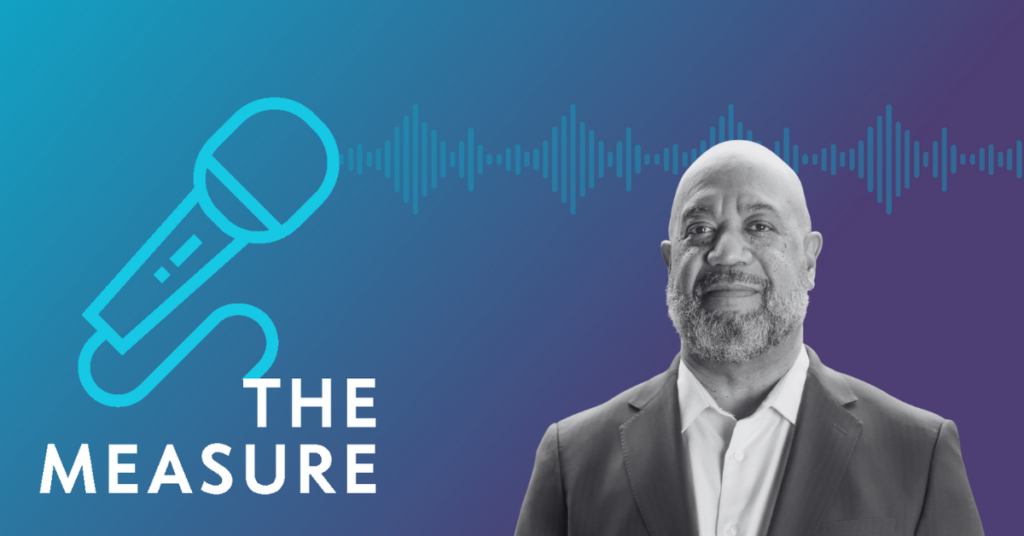
Season 4 | Episode 1
Dwayne Proctor, Missouri Foundation for Health
“How do we engage with communities in a way that we can learn from community wisdom?”
Season 3
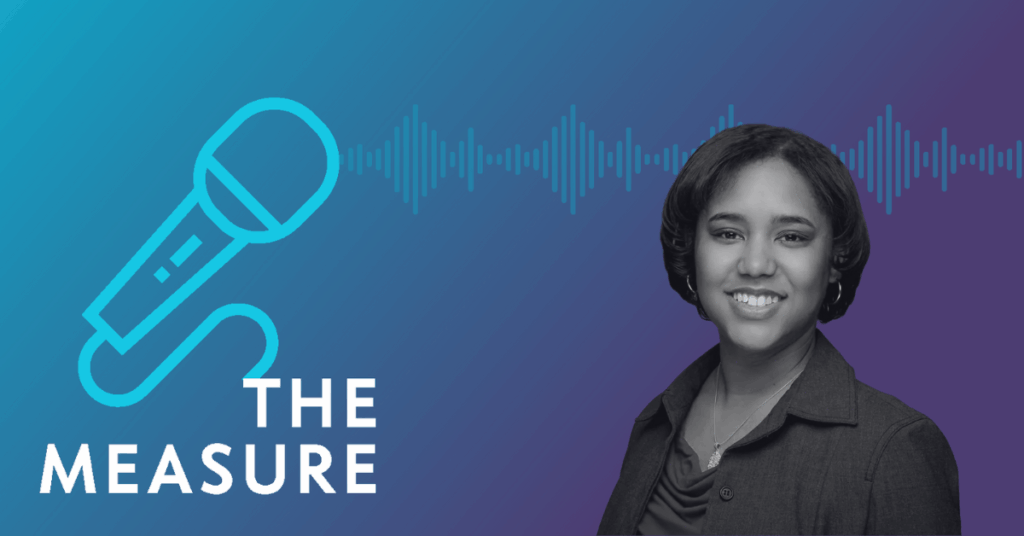
Season 3 | Episode 4
Jennifer Ng’andu, Managing Director, Strategic Portfolios, Robert Wood Johnson Foundation
“The very ways in which our policies and our systems are designed have a lot of relationship with how we think about and process these cultural mindsets.”
Season 3 | Episode 3
Carmen Rojas, President and CEO, Marguerite Casey Foundation
“If our superpower is money, then we need to get as much money to those organizations that we feel our position to defend and protect civil society.”
Season 3 | Episode 2
Dominica McBride, Founder, BECOME
“Culturally responsive community transformation is about listening to the community, and moving with the community, and innovating with the community, and creating new systems and structures with community.”
Season 3 | Episode 1
Katya Fels Smyth, Founder and CEO, Full Frame Initiative
“My experience that has been so rewarding and really extraordinary over the last 15 years is the way people … think about themselves and what matters to them and what matters to their communities when you start talking about access to well-being.”
Season 2
Season 2 | Episode 8
Jeff Fuhrer, Nonresident Fellow, Brookings Institution, and Foundation Fellow, Eastern Bank Foundation
“The myth, it’s a suite of narratives or stories … simplistic stories that are false and that we all, almost all, commonly use to help us make sense of a complicated economic world.”
Season 2 | Episode 7
Marcus Walton, President and CEO, GEO
“We can have a different place inside of communities … to really start to shape conversations that help us be intentional about creating, establishing, cultivating the types of communities that we want to experience in the future.”
Season 2 | Episode 6
Temi F. Bennett and Hanh Le, Co-CEOs, iF, A Foundation for Radical Possibility
“We need to be in this mindset of constant innovation and experimentation, but always in service of racial justice and our bigger vision.”
Season 2 | Episode 5
Crystal Hayling, Former Executive Director, Libra Foundation
“But there is also a link between activism and democracy. And many times people want to deny that link.”
Season 2 | Episode 4
Amanda M. Navarro, Executive Director, Convergence Partnership
“And what we’re starting to understand is that growing people power is multifaceted, is complex, and it really requires deep, long-term investments and requires deep relationship building, and requires understanding the ways that community power comes into play and manifests.”
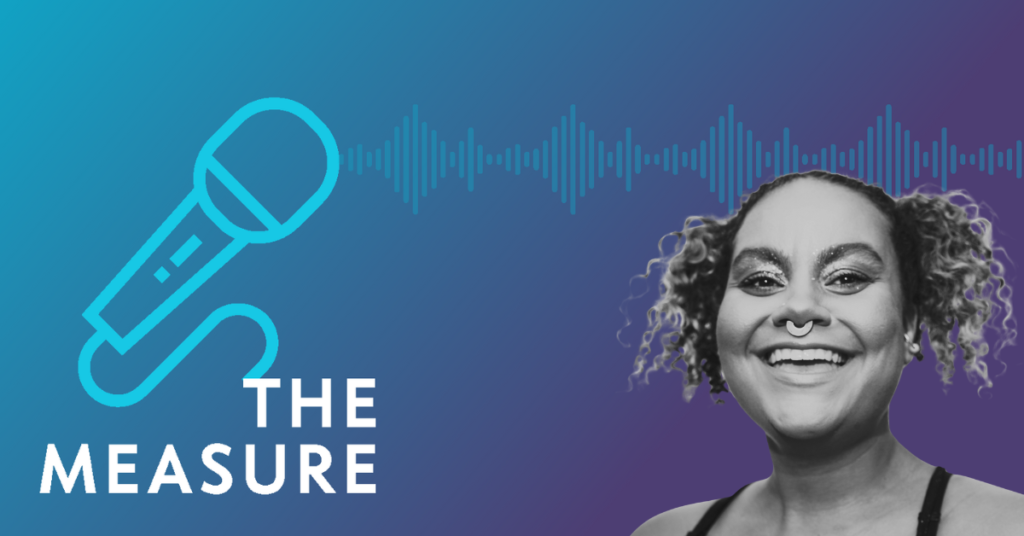
Season 2 | Episode 3
adrienne maree brown, author and activist
“You think of a butterfly flapping its wings, or you think of a bird, a sparrow flapping its wings, it’s one individual action, but when it’s done in community, it can all of a sudden become something quite complex and beautiful.”
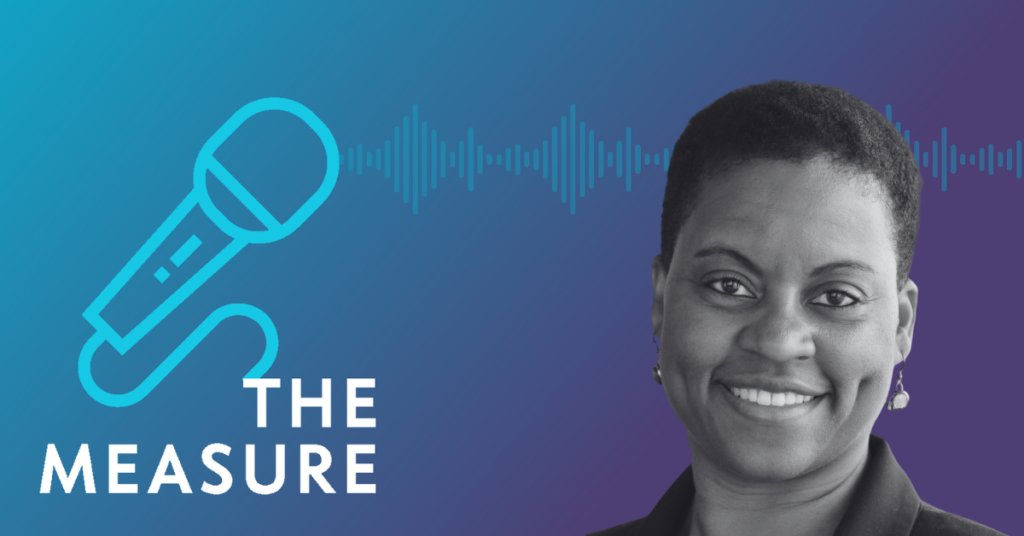
Season 2 | Episode 2
Dr. Lisa Fitzpatrick, founder and CEO, Grapevine Health
“But the truth is, it’s our responsibility in the healthcare system to make sure people have access to information they can use and that they’ll understand, so this is really the fault of the healthcare system.”
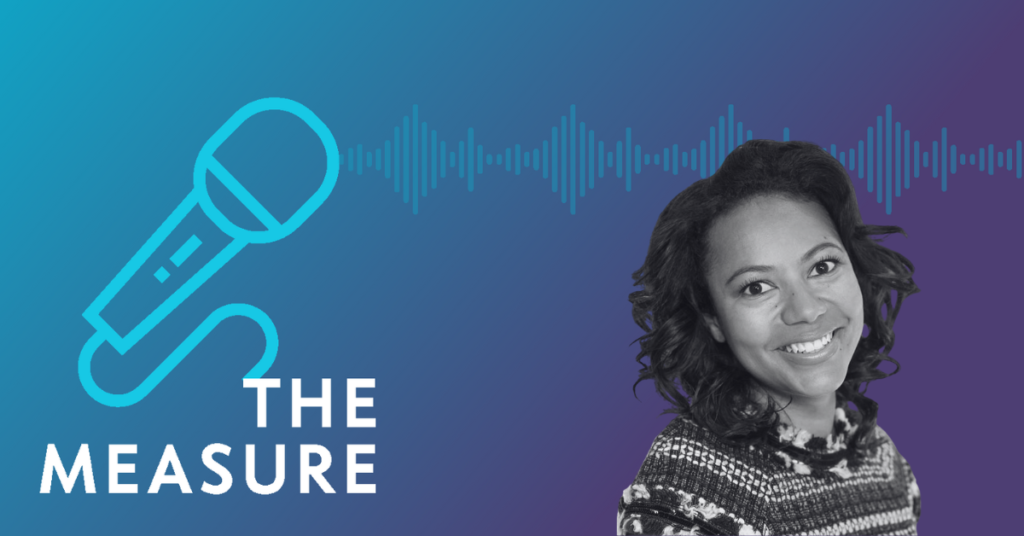
Season 2 | Episode 1
Chantel Rush Tebbe, Managing Director of the American Cities Program, Kresge Foundation
“One of the things we’ve seen is that projects can generate community momentum. They can create change, they can build a sense of sovereignty that, hey, we’re going to do something here and it’s going to make a difference.”
Season 1
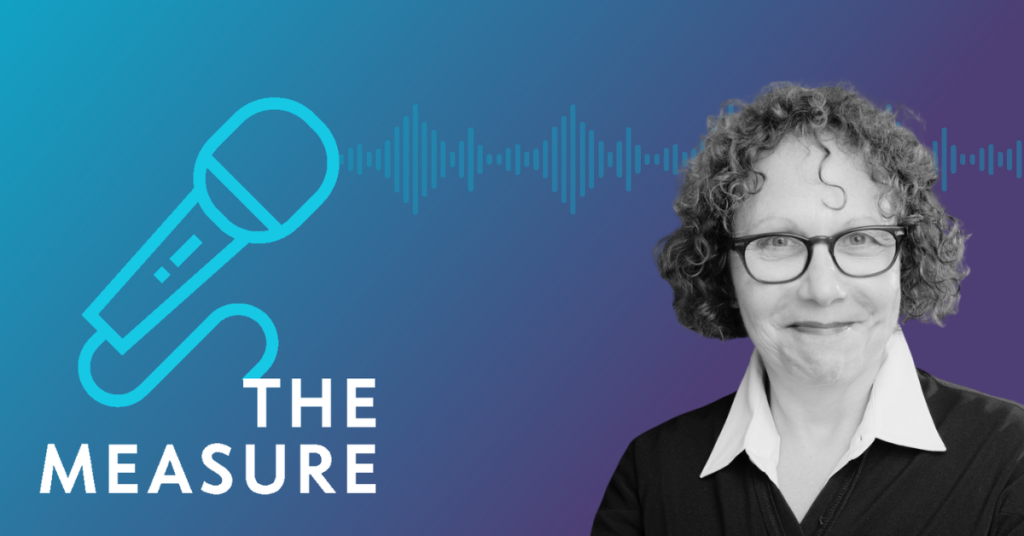
Season 1 | Episode 6
Gerri Spilka, founding director and past president, Equal Measure
“It was this notion of organizational learning, which really came at the right time for us in that evaluation started hitting the ground. And I will say, organizational learning was critical, as was systems thinking.”
Season 1 | Episode 5
Clarence Anthony, CEO and Executive Director, National League of Cities (NLC)
“Our nation and economy would not have come back if it wasn’t for mayors and council members and city managers.”
Season 1 | Episode 4
Chike Aguh, Former Chief Innovation Officer, U.S. Department of Labor
“In some ways, what’s most transformative is if you make available what’s been available to some folks available to everybody.”
Season 1 | Episode 3
Erica Atwood, Senior Director, City of Philadelphia
“My vision for this was really in line with decolonization of grant making of funding, being able to put money where and with organizations I know really, truly love their communities.”
Season 1 | Episode 2
Jara Dean-Coffey and Marcia Coné, Directors, Equitable Evaluation Initiative
“The folks that were actually doing really deeply thoughtful, heartful, contextualized, relevant evaluative work did not call it evaluation.”

Season 1 | Episode 1
Angela Glover Blackwell, Founder in Residence, PolicyLink
“Transformative solidarity has us owning the issues that sometimes seem like the issue of the other, because we deeply understand that their issues are our issues.”
Host
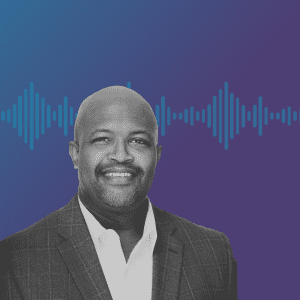
Leon T. Andrews, Jr., President and CEO, Equal Measure
Leon has more than 25 years of policy, management, and leadership experience. He guides Equal Measure’s vision and commitment to racial equity and intersectionality. Leon most recently served as the inaugural leader of the National League of Cities’ Race, Equity, And Leadership (REAL). As the founder of REAL, Leon led NLC’s strategy to help its members respond to racial tensions in their communities and address the historical, institutional, and systemic barriers that further inequity and racism in our nation’s cities.